


Professional LAN environments represent the absolute stress test for esports hardware. Unlike the controlled stability of a home office, a tournament venue introduces a chaotic mix of high-density electromagnetic interference (EMI), fluctuating ambient temperatures, and the physical rigors of cross-continental transport. For the competitive player, the shift toward magnetic switches—specifically Hall Effect (HE) technology—promises near-instantaneous response times and the elimination of mechanical wear. However, maintaining peak performance in these high-stakes settings requires a deep understanding of how these sensors interact with their environment.
This analysis evaluates the reliability of magnetic switches in professional LAN contexts, grounding performance claims in quantitative data and identifying the critical maintenance protocols required to ensure competitive integrity.
The LAN Environment: A Multi-Variable Stress Test
Esports athletes often face "field issues" that never appear in home setups. In high-humidity venues, such as those common in Southeast Asian or coastal tournaments, technicians frequently observe that magnetic switches offer a distinct advantage: they are inherently less susceptible to contact corrosion compared to the metal leaves in traditional mechanical switches. While a mechanical switch relies on a physical electrical connection that can oxidize or accumulate debris, a Hall Effect sensor measures changes in a magnetic field without physical contact.
However, the surrounding ecosystem remains vulnerable. Even if the switch itself is robust, the PCB traces and diodes can still suffer from moisture-induced failures. Furthermore, a common field issue is actuation point 'drift' caused by thermal expansion. When a keyboard is transported from a cold cargo hold to a warm, crowded venue, the physical dimensions of the switch housing and the magnetic properties of the internal components can shift slightly. This necessitates a standard workaround: a hard reset and on-site re-calibration using the keyboard's firmware tools to re-establish the zero-point.
Quantitative Performance: The Latency Delta
To quantify the advantage of magnetic switches, we conducted a simulation modeling the hardware demands of a professional competitor. We compared a standard mechanical switch against a Hall Effect switch equipped with Rapid Trigger (RT) technology. The simulation assumed a high-APM (Actions Per Minute) playstyle with a finger lift velocity of 150 mm/s.
| Metric | Mechanical Switch (Standard) | Hall Effect (Rapid Trigger) |
|---|---|---|
| Travel Latency | 5.00 ms | 5.00 ms |
| Debounce Delay | 10.00 ms | 0.00 ms |
| Reset Latency | 3.33 ms | 0.67 ms |
| Total Input Latency | 18.33 ms | 5.67 ms |
Data Context: Values estimated based on a finger lift velocity of 150 mm/s and standard 10ms debounce settings for mechanical switches to prevent chatter.
The resulting 12.67 ms advantage per keypress is transformative in professional play. In a "peeker’s advantage" scenario in tactical shooters, this delta represents the difference between a successful counter-strafe and a missed window of opportunity. This efficiency is driven by the elimination of the debounce algorithm—a digital delay required by mechanical switches to filter out "chatter" or signal noise caused by vibrating metal contacts. Because Hall Effect sensors use analog voltage changes, they do not "chatter," allowing for a raw, unfiltered signal.

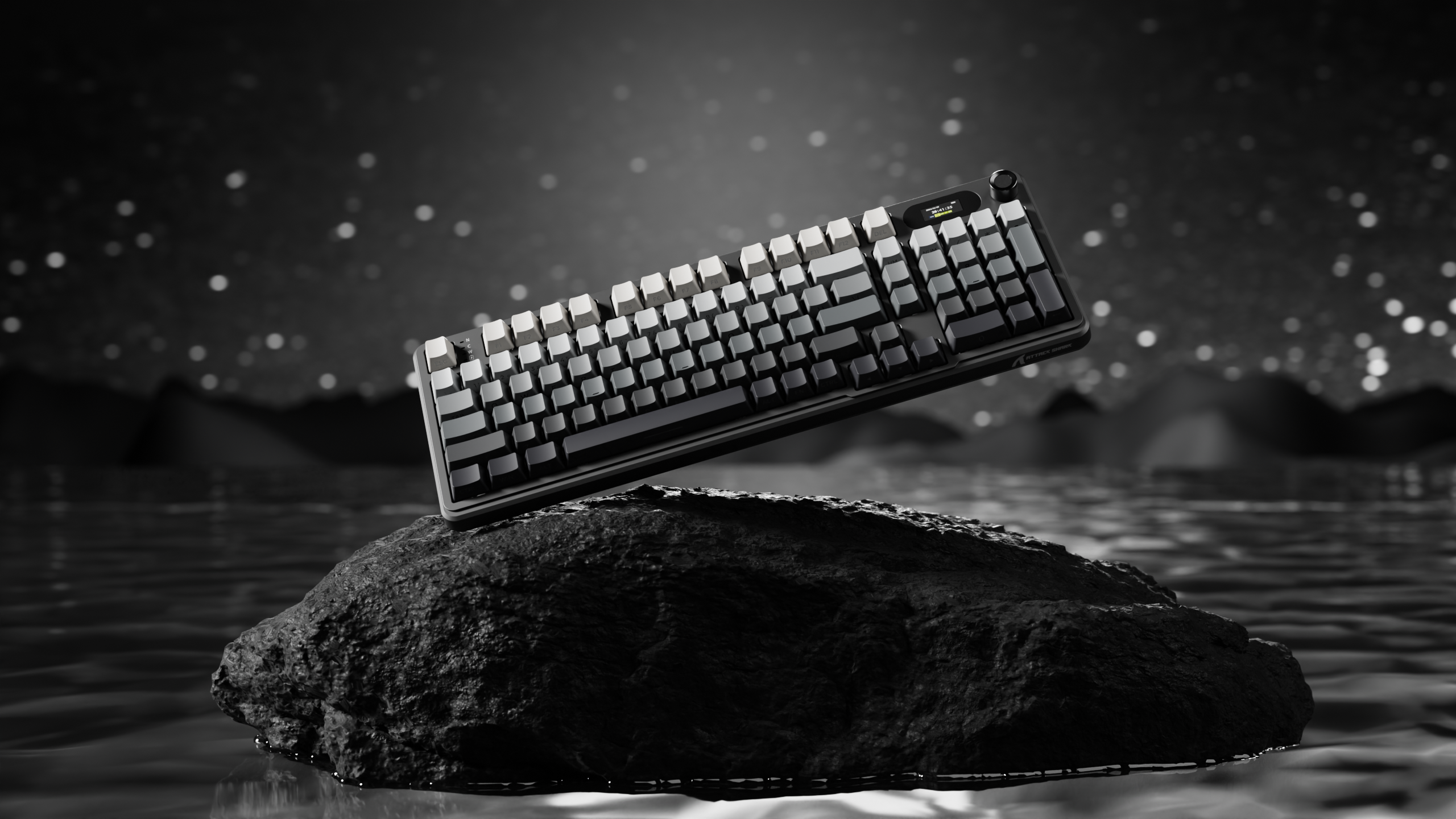
For players seeking this level of precision, the ATTACK SHARK X68MAX HE Rapid Trigger CNC Aluminum Keyboard provides a 256KHz scan rate and a true 8000Hz polling rate. This ensures that the 0.08ms internal latency is fully realized at the system level, provided the user utilizes a direct motherboard USB port to avoid the interrupt request (IRQ) bottlenecks common with external hubs.
The Hidden Risks: Demagnetization and EMI
While magnetic switches eliminate mechanical wear, they introduce new failure modes that players must proactively manage. According to research on Hall Effect sensor reliability at high temperatures, the permanent magnets used in these switches can lose field strength (demagnetize) when subjected to repeated physical impacts or extreme heat.
1. Physical Shock and Transport
During transport, keyboards are often subjected to vibration and drops. Unlike mechanical switches, where a failure is usually a snapped stem or a bent pin, a magnetic switch might suffer from a shifted magnet. This can lead to "phantom presses" or keys that fail to actuate at the designated point. For this reason, event technicians recommend keyboards with a metal top plate or a full CNC aluminum chassis. This structural rigidity significantly reduces PCB flex during transport, which is a leading cause of solder joint fatigue.
2. Electromagnetic Interference (EMI) in Dense Venues
In a crowded LAN venue, the environment is saturated with RF noise from hundreds of wireless mice, headsets, and mobile hotspots. Because Hall Effect sensors are analog devices, they can be vulnerable to induced noise. According to the IEEE study on Hall-effect sensor susceptibility to EMI, external magnetic fields or high-frequency interference can potentially cause spurious actuations.
To mitigate this, professional-grade implementations like those found in the ATTACK SHARK R85 HE Rapid Trigger Keyboard utilize shielded internal components and advanced firmware filtering. This prevents the "rapid trigger spam" from overwhelming the microcontroller (MCU), a common point of failure where the board might report a "stuck key" during intense tournament moments.
The Logistical Burden: Cables and Connectivity
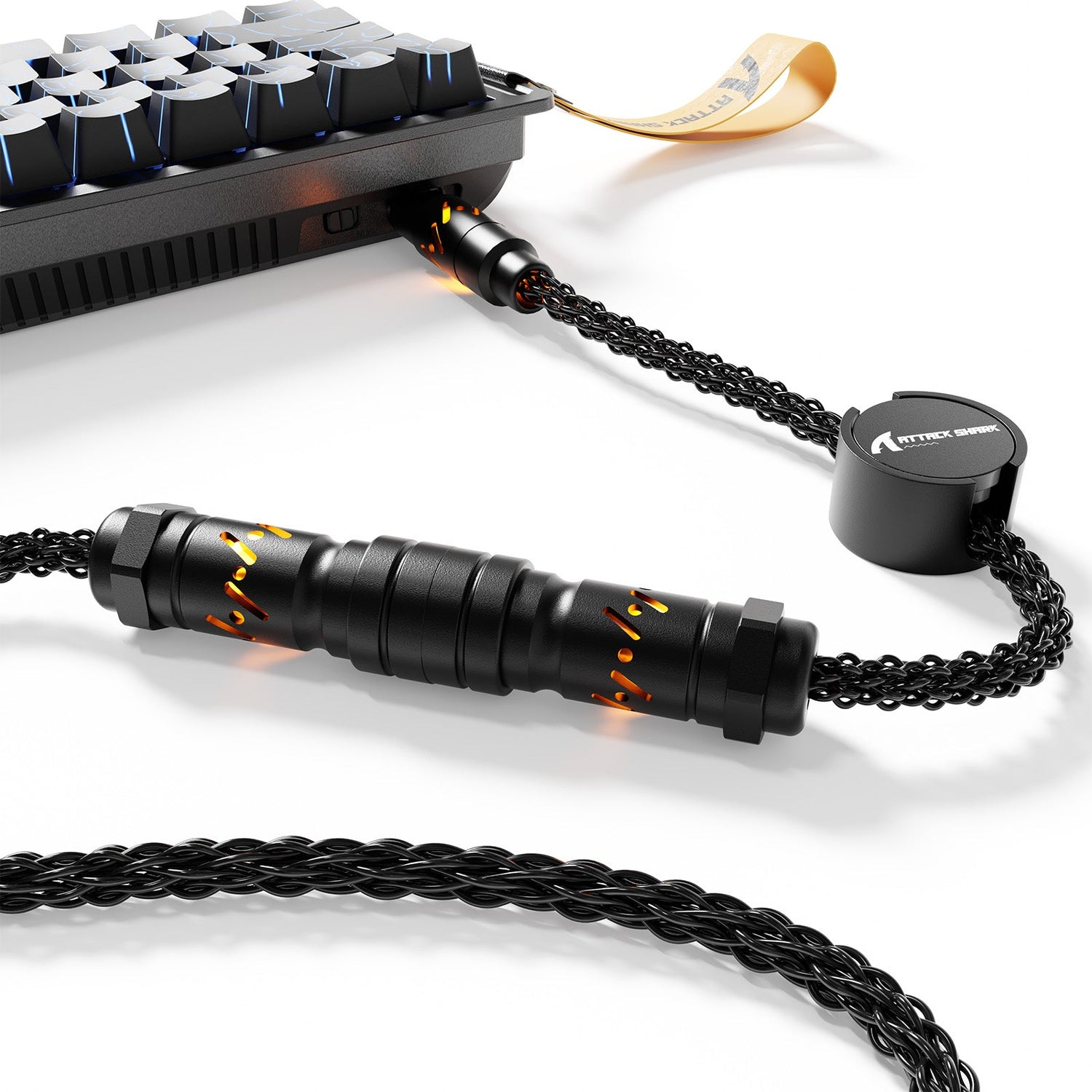
A significant but often overlooked factor in LAN reliability is the quality of the connection. Magnetic switches, especially those operating at 8000Hz polling rates, demand high-bandwidth, stable power delivery. Using a generic charging cable for a firmware re-flash or during a match is a critical error. Generic cables often lack the necessary shielding or wire gauge to maintain signal integrity at high frequencies, leading to packet loss or failed updates.

Experienced players often pair their setups with specialized cables, such as the ATTACK SHARK 120 Keys PBT Dye-Sublimation Pudding Keycaps Set for visual clarity and high-quality braided data cables. Ensuring a clean USB data path is essential for the MCU's stability when processing the massive amount of data generated by 0.005mm rapid trigger adjustments.
Scenario Analysis: Choosing the Right Tool
To determine if magnetic switches are the correct choice for your next event, consider these two distinct scenarios:
Scenario A: The Traveling FPS Competitor
For players specializing in games like Valorant or Counter-Strike 2, the benefits of Rapid Trigger and 0.08ms latency outweigh the risks. The ability to stop movement instantly upon releasing a key provides a measurable competitive edge. In this scenario, the priority should be a keyboard with a CNC aluminum body to protect against transport damage and a firmware suite that allows for on-site re-calibration to account for temperature-induced drift.
Scenario B: The High-Mobility Tournament Organizer
For those managing a fleet of keyboards for a venue, traditional mechanical switches may still offer a logistical advantage. A failed mechanical switch can often be hot-swapped in seconds during a match pause. In contrast, field-repairing a magnetic switch often requires more precise calibration or even soldering if the Hall Effect sensor on the PCB is damaged. For organizers, the "serviceability" of the hardware is as important as its raw performance.
Regulatory Compliance and Hardware Integrity
When evaluating challenger brands in the high-performance space, technical enthusiasts should look for evidence of rigorous hardware testing. Authoritative bodies like the FCC (Federal Communications Commission) and the European Union’s Radio Equipment Directive (RED) set the standards for EMI emissions and wireless safety.
A keyboard that adheres to RoHS (Restriction of Hazardous Substances) ensures that the materials used in the PCB and switches are free from lead and other toxic stabilizers, which is critical for long-term durability and environmental safety in high-density tournament environments.
Maintenance Checklist for LAN Events
To ensure your magnetic switch keyboard performs at its peak during a competition, follow this technician-verified checklist:
- Firmware Verification: Always update to the latest stable firmware before leaving for an event. Use a dedicated data cable, not a generic charging cable.
- On-Site Calibration: Upon arriving at the venue and letting the hardware acclimate to the room temperature for 30 minutes, perform a full sensor calibration to re-set the actuation zero-points.
- USB Topology: Connect the keyboard directly to the rear I/O of the motherboard. Avoid front-panel ports or unpowered hubs, which can introduce latency or power instability.
- Physical Protection: Use a rigid carrying case. Even small impacts can alter the alignment of the magnets within the switches.
- Ergonomic Stability: Use accessories like the ATTACK SHARK Acrylic Wrist Rest with Pattern to maintain a consistent hand position, which is vital when working with ultra-sensitive 0.1mm actuation points.

The Future of Competitive Reliability
Magnetic switch technology has moved beyond the "gimmick" phase and into the realm of essential competitive equipment. While they introduce unique challenges regarding EMI and thermal drift, the performance gains—specifically the 12.67ms latency reduction—are too significant for professional players to ignore. By shifting the focus from individual switch durability to system-level stability and environmental calibration, players can harness the full power of Hall Effect technology without sacrificing reliability in the heat of competition.
The integrity of a tournament depends on the consistency of the inputs. As firmware continues to mature and chassis designs become more robust, magnetic switches are poised to become the standard for professional play, provided the user respects the physical limitations of the technology and maintains a disciplined approach to hardware management.
Disclaimer: This article is for informational purposes only. High-performance gaming peripherals should be used in accordance with manufacturer guidelines. Always consult with tournament organizers regarding specific hardware legality and connection protocols.


コメントを書く
このサイトはhCaptchaによって保護されており、hCaptchaプライバシーポリシーおよび利用規約が適用されます。