

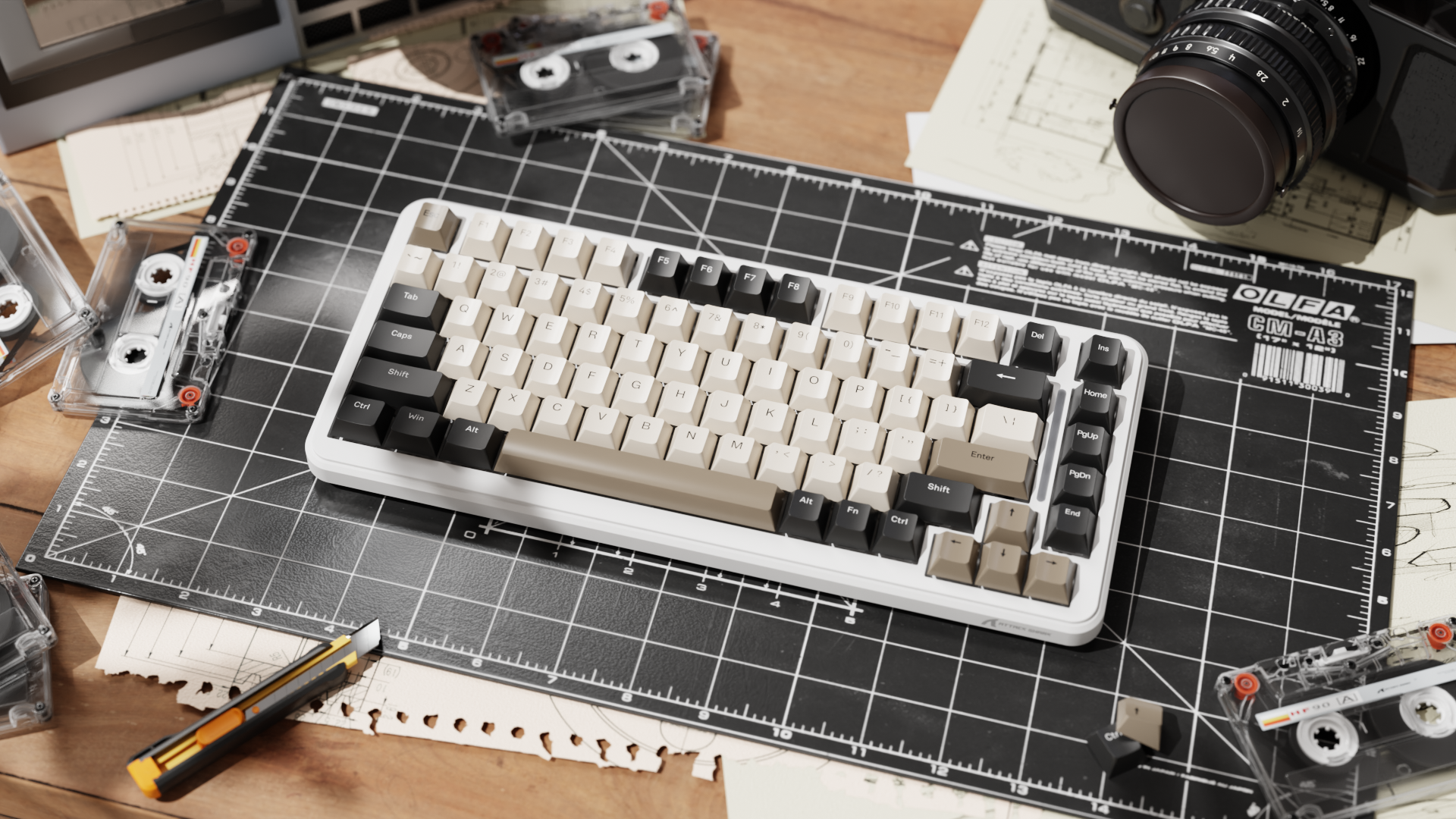
Box Stem Architecture: Enhancing Keycap Stability
Analysis of PBT vs. ABS materials and system-wide precision modeling for enhanced tactile resolution in competitive gaming setups.

Stem-to-Housing Tolerances: Solving the Wobble Problem
A guide to stem-housing tolerances for eliminating keyboard wobble and improving typing stability and acoustics for gamers and enthusiasts.
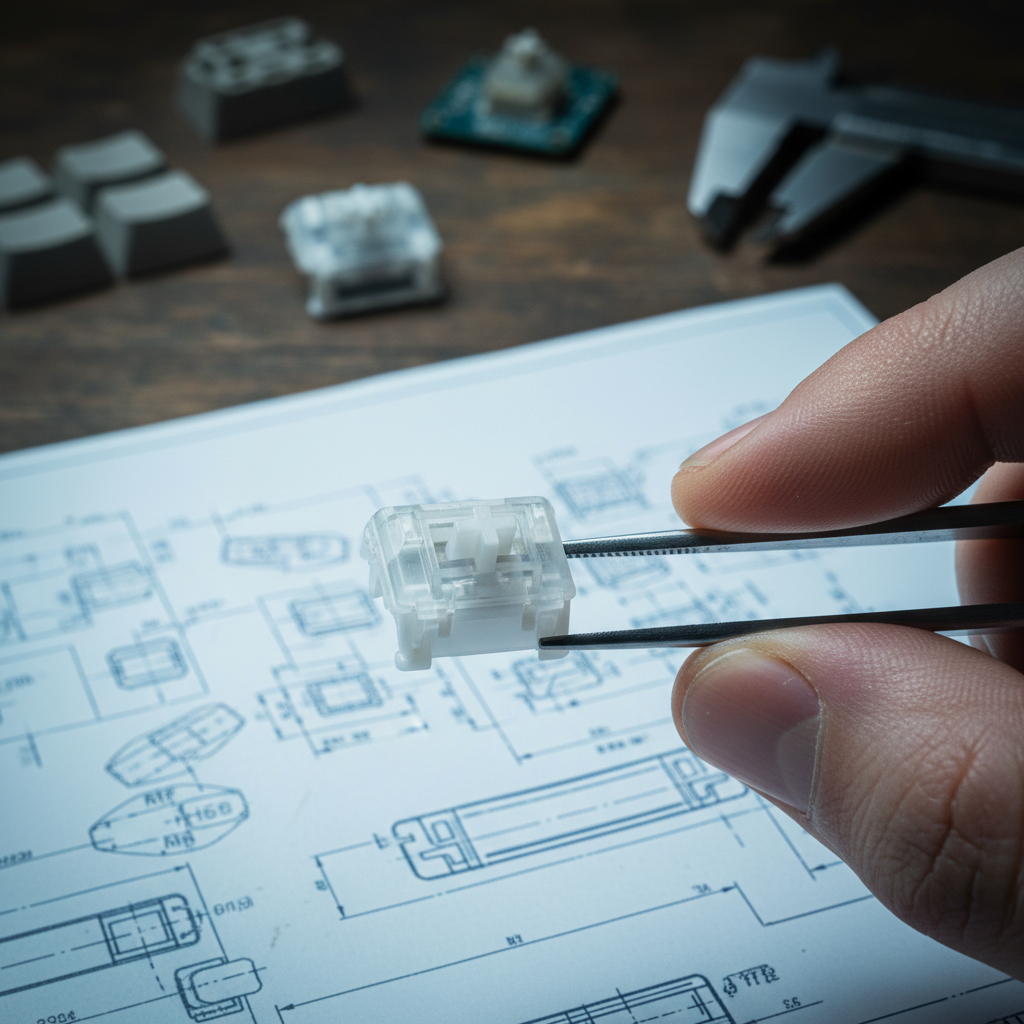
Comparing UPE and POM: Stem Materials and Stability
Covers friction coefficients, thermal stability, and scenario modeling for competitive gaming environments.
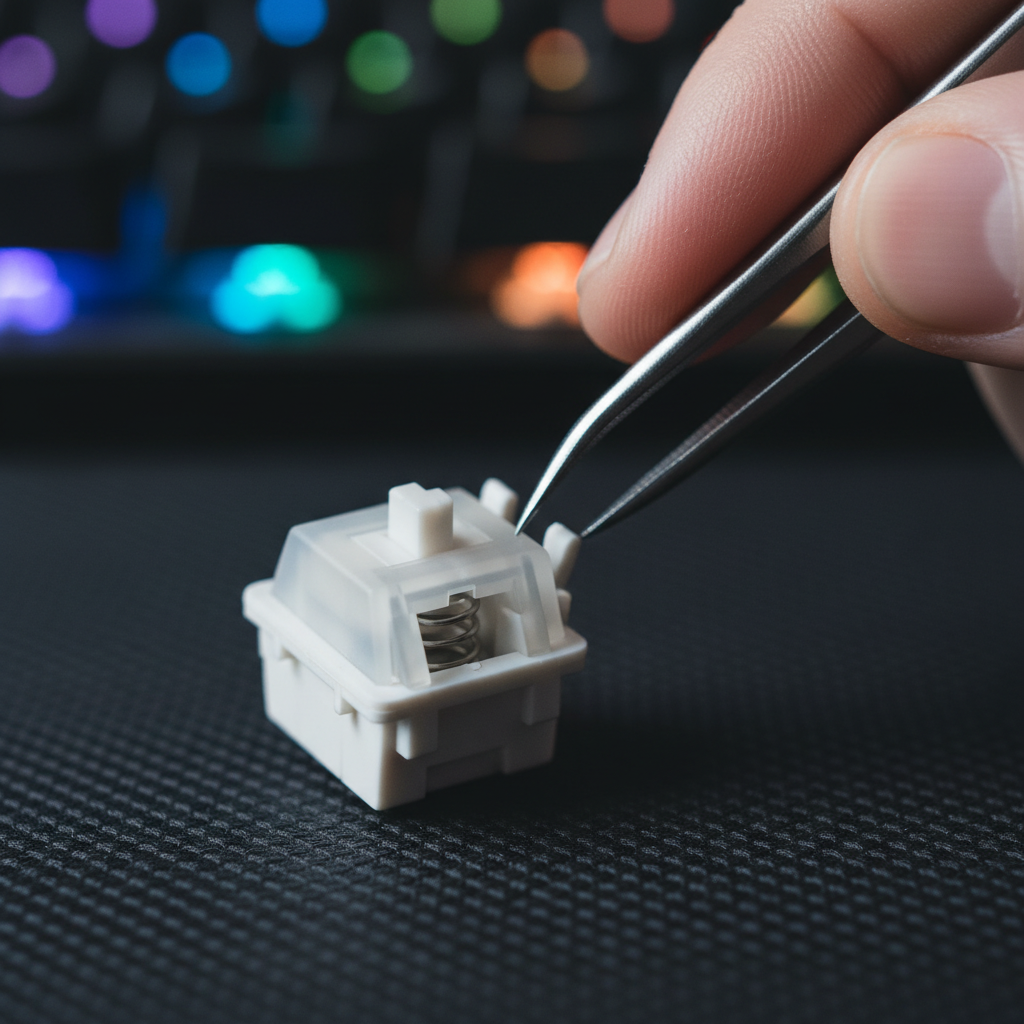
Eliminating High-Pitch Rattle: Tightening Switch Housings
Covers diagnosis with the Lateral Wobble Test, torque standards, and pairing mods with PBT keycaps for a rattle-free typing experience.
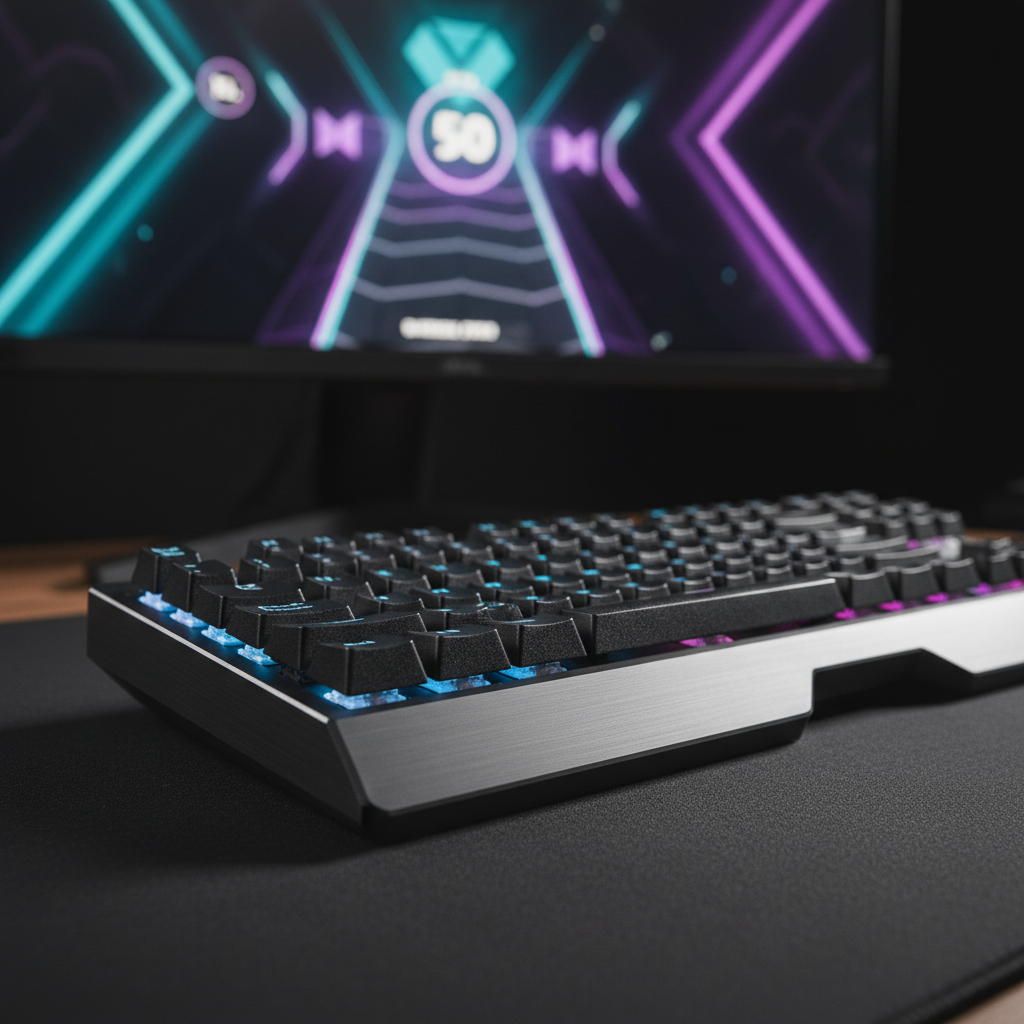
The Upstroke Sound: Why Return Feedback Matters for Rhythms
Covers plate materials, Hall Effect latency, 8000Hz polling, and ergonomic strategies for high-BPM gaming health.

The Sound of Friction: Identifying Stem Scratchiness by Ear
A guide to diagnosing mechanical keyboard switch defects using auditory cues. Learn to distinguish stem scratch from other noises and understand its impact o...
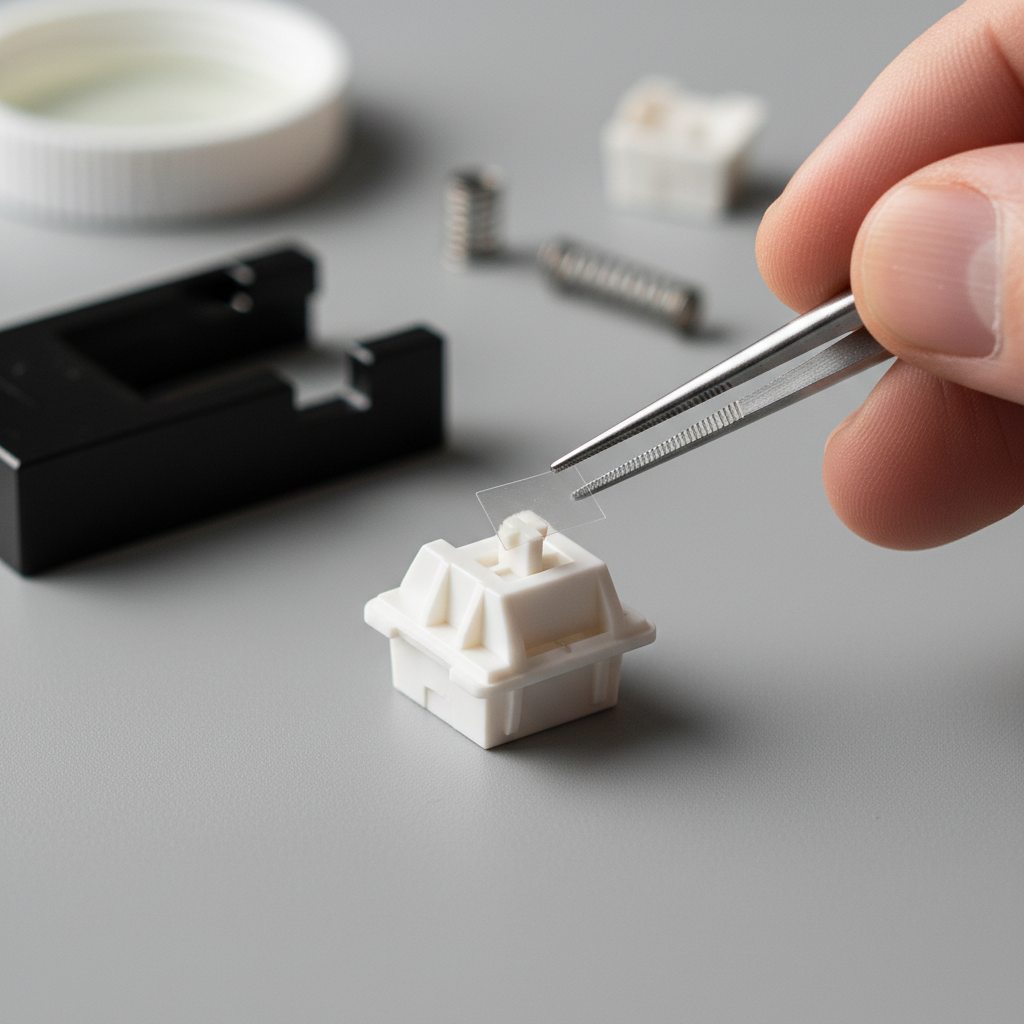
Switch Film Selection: Stabilizing Acoustics in Loose Housings
Covers housing tolerances, PET/PC/PE film materials, 0.15mm thickness impact, and compliance with FCC/ISED for safe modding.

Keyboard Width and Aim: How Form Factor Affects Ergonomics
A biomechanical guide on how keyboard width affects shoulder fatigue and aiming precision in gaming, with data on layouts and setup optimization.
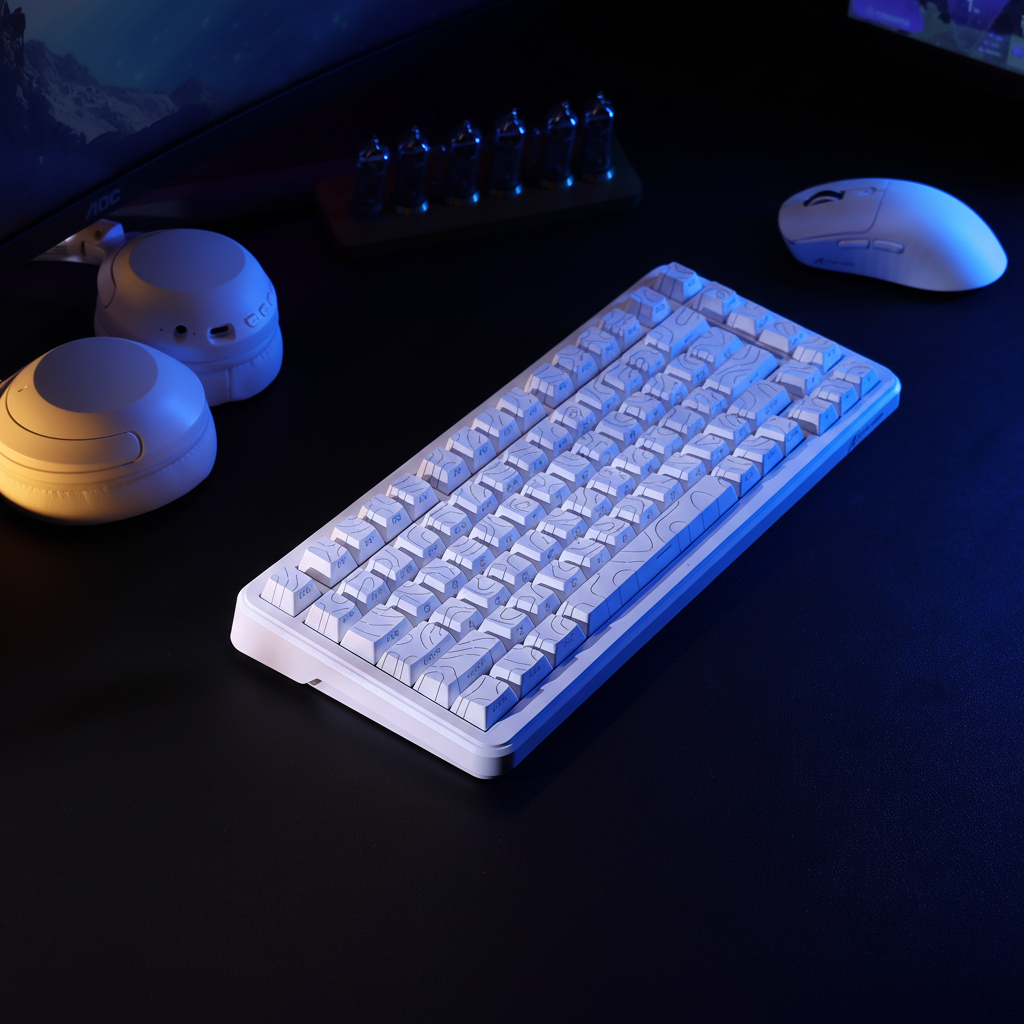
Ortholinear vs. Staggered: Will a Grid Layout Improve Aim?
A guide to ortholinear vs. staggered keyboard layouts for gamers. Explores if a grid layout improves aim consistency and movement command reliability.
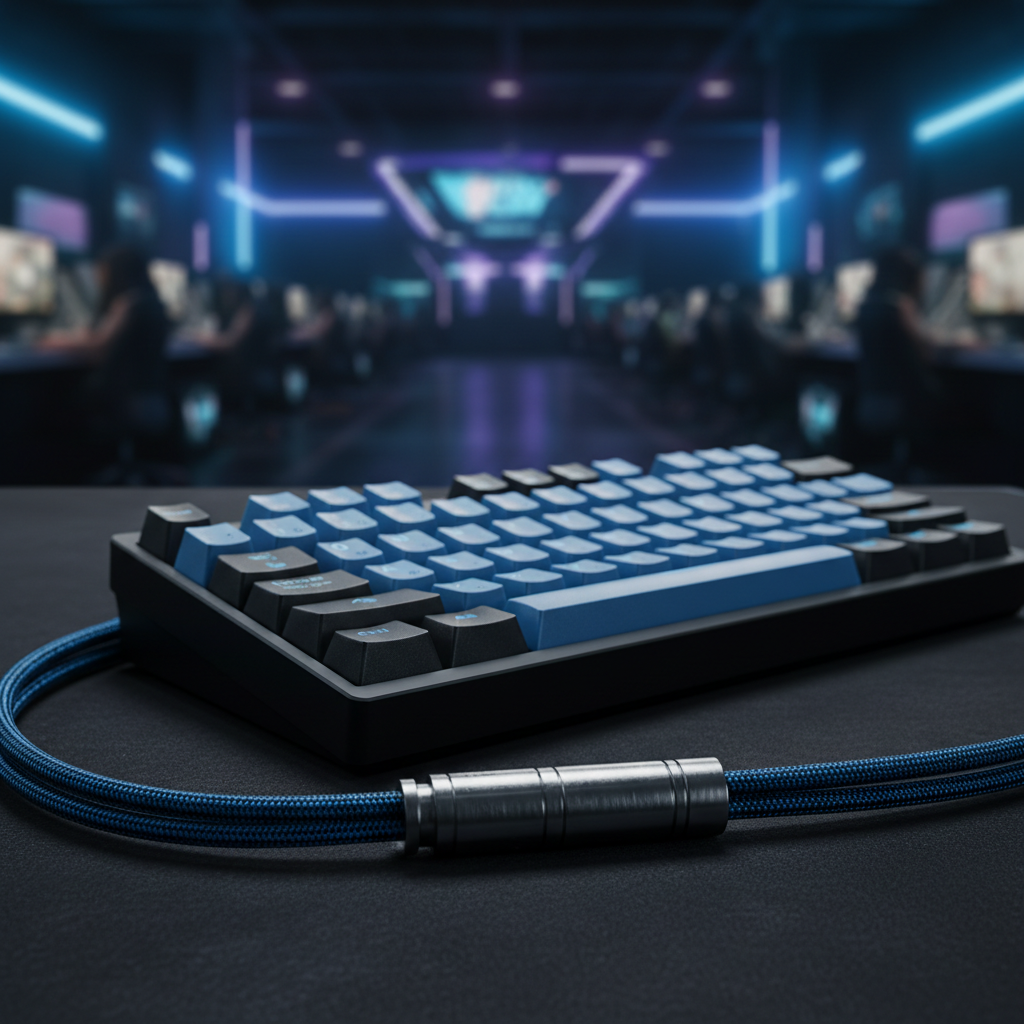
Choosing a LAN-Ready Keyboard: Balancing Size and Portability
Covers 75% vs full-size layouts, RF interference at events, wired reliability, and onboard memory for tournament PCs.
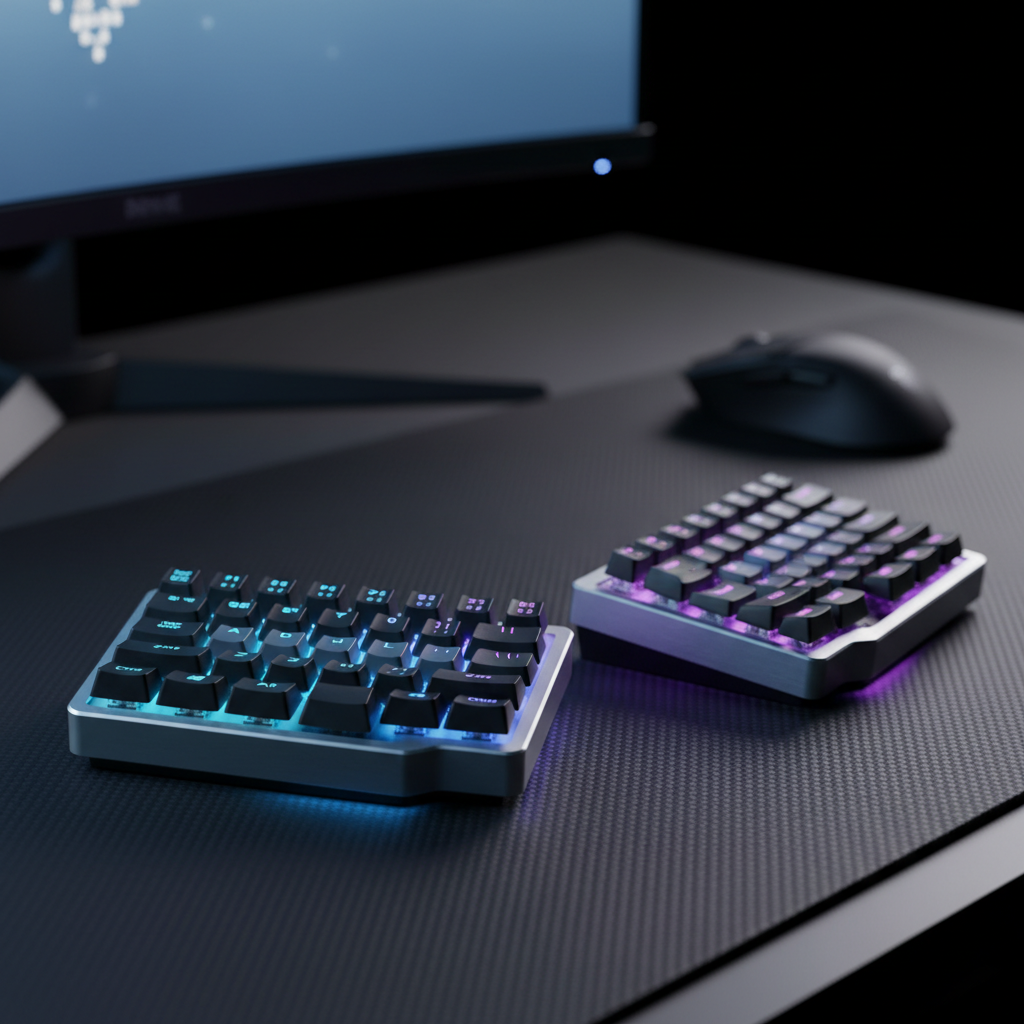
Split Mechanical Keyboards: Solving Ergonomic Gaming Pains
Covers ergonomic benefits, adaptation phases, and the performance advantage of Hall Effect switches in a high-polling environment.
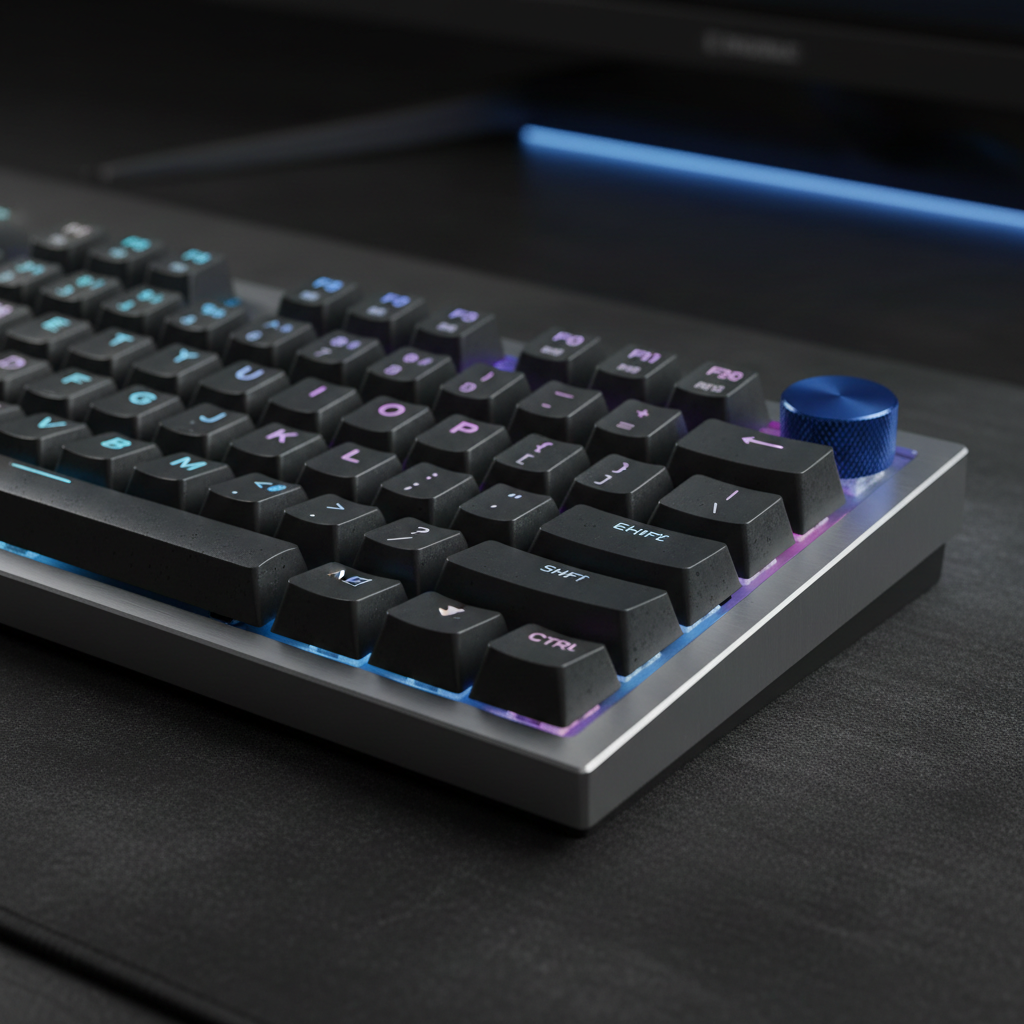
1800 Compact Layouts: Retaining the Numpad for Gaming
Covers ergonomic heuristics, Hall Effect switch latency advantage, regulatory compliance, and muscle memory adaptation strategies.